
 Post by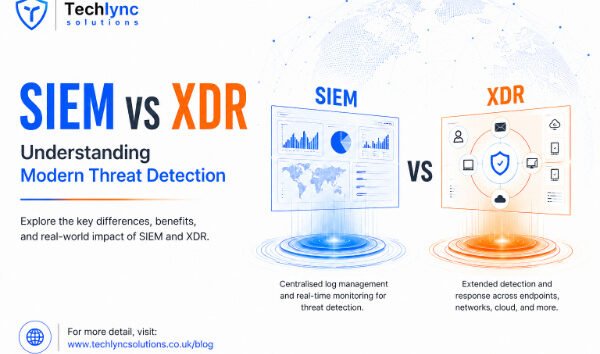
SIEM vs XDR: Which Is Best for Your Business?
In the contemporary landscape of cybersecurity, organizations are tasked with making critical decisions regarding the tools and solutions required to safeguard their assets. Two prevalent approaches in the realm of threat detection are Security Information and Event Management (SIEM) systems and Extended Detection and Response (XDR) solutions. Understanding the differences and advantages of each can help businesses optimize their security posture.
SIEM solutions centralize the collection, analysis, and reporting of security-related data from various sources within an organization’s IT infrastructure. This enables comprehensive visibility and serves as a powerful investigative tool. SIEM excels in log management and compliance reporting, crucial for organizations that must adhere to regulatory requirements. However, traditional SIEM tools may sometimes struggle with real-time threat detection and quick remediation due to their reliance on correlated historical data.
On the other hand, XDR goes beyond the capabilities of SIEM by offering an integrated approach that combines security across multiple layers, including endpoints, networks, and servers. XDR emphasizes automated responses to threats, providing organizations with better detection capabilities and a faster response time. This modern threat detection solution enhances visibility and enables security teams to identify threats that may slip through the cracks with conventional SIEM approaches.
When selecting between SIEM vs XDR, businesses must evaluate their specific needs, considering factors such as their existing IT infrastructure, resource availability, and compliance requirements. SIEM may be suitable for organizations seeking a robust reporting and logging framework, while XDR could be the optimal choice for those prioritizing real-time response capabilities and comprehensive threat detection. Ultimately, the decision should align with the overarching security strategy of the organization to ensure effective protection against evolving cyber threats.
Abstract
In an era where cyber threats are increasingly sophisticated, organizations need robust systems to safeguard their data and networks. The nuances between SIEM (Security Information and Event Management) and XDR (Extended Detection and Response) are essential for businesses aiming to enhance their threat detection capabilities. SIEM functions primarily by aggregating and analyzing security data from across the organization, utilizing logs and alerts generated by various systems to provide a comprehensive overview of security incidents. However, it often falls short in real-time detection and response capabilities. On the other hand, XDR takes a more integrated approach by consolidating threat intelligence from multiple sources, including endpoints, servers, and cloud workloads. This allows organizations to detect and respond to threats more effectively, providing a holistic view of the security landscape.
Understanding the distinction between SIEM and XDR enhances compliance strategies as well as overall security postures. SIEM tools focus on collecting and correlating data, which can assist organizations in meeting various compliance mandates, such as GDPR and HIPAA. These tools are instrumental in forensic analysis and reporting; however, they may require extensive tuning to generate meaningful insights. In contrast, XDR includes built-in automation and machine learning capabilities that expedite the incident response process, translating to improved detection and response times.
Ultimately, the choice between SIEM and XDR depends on an organization’s specific needs, threat landscape, and operational maturity. While SIEM vs XDR: understanding modern threat detection can lead to nuanced discussions, businesses must also consider how each technology aligns with their overall security strategy. Selecting the right approach can significantly impact an organization’s ability to preemptively tackle security threats.
Introduction
In today’s digital landscape, businesses in the UK are increasingly vulnerable to a variety of cyber threats. The rapid evolution of these threats necessitates a strategic approach to cybersecurity, particularly in the domain of threat detection technology. Organizations face a critical decision when selecting between different solutions, such as Security Information and Event Management (SIEM) systems and Extended Detection and Response (XDR) platforms, which can play a significant role in shaping their security posture.
Understanding the distinctions between SIEM and XDR is essential for businesses aiming to enhance their threat detection capabilities. SIEM systems are traditionally employed to collect and analyze security data from across an organization’s infrastructure, enabling the identification of potential threats. On the other hand, XDR solutions are designed to provide a more integrated approach by gathering and correlating telemetry from various sources, including endpoints, networks, and servers. This holistic view enables faster and more accurate threat detection and response.
The choice between SIEM vs XDR can deeply influence a company’s ability to defend against cyber incidents and comply with regulatory requirements. Organizations must assess factors such as their existing infrastructure, the types of threats they face, and their specific compliance goals when evaluating these technologies. As cyber criminals continue to innovate, businesses must remain proactive, and choosing the right threat detection technology is a critical component of their overall security strategy. Investing in suitable solutions helps ensure not only immediate protection but also the long-term viability of the organization against an ever-changing threat landscape.
What is a SIEM?
Security Information and Event Management (SIEM) is a comprehensive solution designed to provide real-time analysis of security alerts generated by various hardware and software within an organization. SIEM systems aggregate and analyze security-related data from multiple sources, allowing organizations to identify vulnerabilities and respond swiftly to potential threats. By centralizing security information, SIEM plays a key role in enhancing an organization’s security posture.
The core functions of a SIEM include data collection, normalization, analysis, and reporting. It collects log and event data from a multitude of sources, such as firewalls, intrusion detection systems, servers, and applications. This information is then normalized to ensure consistency and analyze trends. Additionally, SIEM solutions employ advanced correlation rules to detect anomalies and suspicious activities that could indicate a security breach.
SIEM is particularly useful in several scenarios. For example, in regulatory compliance, organizations use SIEM to monitor access and data handling processes, ensuring adherence to policies such as GDPR or HIPAA. Furthermore, incident response teams leverage SIEM to rapidly detect security incidents and initiate appropriate responses, which is vital in minimizing potential damage during a cyber-attack.
In addition, SIEM can be employed for forensic investigations, where security teams utilize historical data to trace back the activities leading to a security incident. Therefore, the implementations of SIEM not only aid in real-time monitoring but also facilitate post-incident analysis, making it an indispensable tool in the security arsenal.
What is XDR?
Extended Detection and Response (XDR) is an advanced cybersecurity solution designed to provide a more integrated approach to threat detection and incident response. Unlike traditional security measures, XDR consolidates multiple security products into a unified platform, delivering enhanced visibility and response capabilities. This integration enriches data analysis, thereby improving the efficacy of threat detection processes.
At its core, XDR builds upon the foundational elements of Security Information and Event Management (SIEM) systems by extending monitoring capabilities across a broader array of data sources. This includes endpoints, networks, servers, and cloud environments, all of which play a critical role in an organization’s security landscape. By correlating data from various points, XDR not only detects anomalies but also facilitates a swift response to potential threats.
One typical scenario in which XDR proves beneficial is during an advanced persistent threat (APT) attack. These attacks often involve multiple stages and can be challenging to identify with conventional methods. XDR’s comprehensive analytical capabilities allow security teams to piece together disparate data points and detect the subtle indicators of an APT before it escalates into a full-blown breach.
Furthermore, XDR is advantageous in environments that utilize a mix of cloud services and on-premises infrastructure. In such settings, maintaining visibility across different platforms can be problematic with traditional SIEM solutions. XDR enables organizations to acquire insights from various sources seamlessly, providing a cohesive view of the security posture. This holistic approach is crucial for modern enterprises, making XDR a superior choice when evaluating siem vs xdr: understanding modern threat detection.
Key Differences Between SIEM and XDR
In the evolving landscape of cybersecurity, understanding the key differences between Security Information and Event Management (SIEM) and Extended Detection and Response (XDR) is crucial for organizations. Both tools offer unique approaches to threat detection and response, but they differ significantly in several aspects.
Firstly, when comparing data sources, SIEM is primarily designed to aggregate logs and event data from various systems, applications, and user activities. It uses this data to provide a centralized view of an organization’s security posture. On the other hand, XDR extends this capability by integrating multiple security products, including endpoint detection and response, network traffic analysis, and other security solutions, allowing for a broader analysis of threats across different environments.
Secondly, their detection approaches highlight a notable distinction. SIEM often relies on rules-based methods, which can lead to alerts that may miss sophisticated attacks due to a lack of contextual awareness. XDR employs advanced techniques, including behavioral analysis and machine learning, enabling it to identify threats that may evade traditional detection mechanisms, thus facilitating modern threat detection.
The response capabilities also vary significantly. SIEM typically requires manual intervention for incident response, which can delay reaction times. Conversely, XDR automates many components of incident detection and response, allowing security teams to act swiftly and effectively against threats.
From a cost and complexity perspective, SIEM systems can often require substantial investment and a skilled team for deployment and management. Yet, XDR solutions aim to simplify operations by aggregating functionalities, which can lead to potential cost savings and reduced operational burden.
Finally, regarding skills required, SIEM necessitates specialized training due to its complex configuration and management. In contrast, XDR is designed to be more user-friendly, potentially enabling teams with a lower level of expertise to effectively utilize the platform.
Which is Right for Your Business?
Choosing between SIEM and XDR for your organization is paramount, as the right fit hinges on various factors, including business size and IT infrastructure. For smaller SMEs that often operate with constrained security resources, the essential focus should be on effective threat detection that doesn’t overwhelm existing capabilities. In such cases, SIEM solutions provide essential monitoring and data aggregation functionalities without the complexities usually associated with XDR. Given budget limitations, SMEs can benefit from SIEM’s ability to correlate logs and alerts without necessitating extensive human resources or expertise in more complex systems. This helps ensure essential threats are identified without excessive financial burden.
For growing scale-ups facing an influx of security data and increasing infrastructure demands, the conversation shifts. These organizations may require more advanced and integrated solutions offered by XDR. The enhanced visibility and context provided by XDR solutions can aid in understanding sophisticated threats more effectively throughout a diverse infrastructure. Cost considerations remain vital, but the scalability and nuanced insights that XDR provides can become indispensable as operational complexity increases. This approach allows scale-ups to pivot from reactive to proactive threat management, which is critical in maintaining security posture.
Additionally, some organizations may find value in adopting a combined approach or leveraging managed services that incorporate both SIEM and XDR functionalities. This offers the benefits of comprehensive threat detection while also capitalizing on the advantages each framework presents. Businesses with substantial resource allocations can conduct an evaluation of both solutions to create a tailored blend that tackles specific security needs. Engaging with experts may aid in understanding the appropriateness of such a hybrid model, ultimately ensuring better security effectiveness against modern threats. Therefore, the decision on siem vs xdr: understanding modern threat detection requires careful evaluation of operational demands and available resources.
Practical Examples
In the context of modern threat detection, understanding the practical applications of Security Information and Event Management (SIEM) and Extended Detection and Response (XDR) is crucial for businesses seeking to enhance their security posture. Below are two realistic scenarios illustrating how these technologies can function in a business environment.
In the first scenario, consider a mid-sized company that has implemented a SIEM solution to aggregate logs and monitor security events across its IT infrastructure. The SIEM collects data from various sources, including firewalls, intrusion detection systems, and user activity logs. One day, the SIEM detects unusual login attempts from multiple locations that deviate from the normal behavior of a user account. The system triggers an alert, allowing the security team to investigate further. Upon examination, they identify that the account had been compromised, and they can quickly respond by resetting passwords and analyzing the breach. This proactive response showcases how SIEM plays a vital role in preventing potential data breaches through robust monitoring of security events.
In the second scenario, a larger organization decides to deploy XDR to streamline their threat detection and response capabilities. Unlike SIEM, XDR integrates various security layers, including endpoint detection and response, network traffic analysis, and cloud security monitoring. One evening, an employee unknowingly downloads a malicious file from an external source, leading to unusual behavior on their endpoint. The XDR system correlates events from multiple sources, identifying the malware’s spread across the network. The automated response functions initiate containment protocols, isolating the endpoint from the network while alerting the cybersecurity team. This swift action mitigates the threat and prevents the malware from affecting other systems, demonstrating the efficiency and comprehensive protection that XDR provides.
Best Practices When Adopting Either Solution
When organizations consider the implementation of Security Information and Event Management (SIEM) or Extended Detection and Response (XDR) solutions, it is crucial to adopt a structured approach. To ensure effective threat detection and compliance with security standards, firms should follow several best practices aligned with their existing security frameworks.
First, an organization should evaluate its current security posture to identify any existing gaps. This assessment will help in aligning the chosen solution—either SIEM or XDR—with the organization’s specific needs and objectives. It is beneficial to involve stakeholders from various departments, including IT, compliance, and management, to ensure that the solution meets broader organizational requirements.
Once the organization has established its needs, the next step is to integrate the SIEM or XDR solution into the existing security infrastructure. Compatibility is vital; therefore, organizations should examine how these systems will interact with existing security tools and protocols. This integration can enhance visibility across the environment, facilitating faster threat detection and response.
Regular training and awareness programs for security personnel are crucial as well. As threat landscapes evolve, staying updated with the latest features and functionalities of SIEM and XDR systems ensures that teams can fully leverage these technologies. Continuous education helps in engendering a culture of security awareness within the organization.
Finally, it is essential to monitor and review the effectiveness of the chosen solution periodically. Organizations should establish key performance indicators to measure the performance of SIEM and XDR solutions. Understanding operational metrics will inform whether adjustments are necessary, ensuring the organization’s cybersecurity framework remains robust and compliant.
Common Mistakes Businesses Make
When organizations embark on the journey of enhancing their cybersecurity framework, the selection and implementation of tools like SIEM (Security Information and Event Management) and XDR (Extended Detection and Response) can be fraught with challenges. One common mistake is underestimating the complexity of integration with existing systems. Many organizations fail to consider how these solutions will fit within their existing IT infrastructure, leading to potential disruptions and inefficiencies.
Another frequent error is neglecting to conduct a thorough needs assessment. Organizations may jump straight into selecting a product without first evaluating their specific security requirements, which can result in choosing a solution that does not fully address their vulnerabilities. This mistake can ultimately diminish the effectiveness of their chosen approach to threat detection and response.
Moreover, businesses often overlook the importance of training and ongoing education for their teams. Implementing a SIEM or XDR involves not only technological investments but also a commitment to developing personnel skills. Without adequate training, organizations risk underutilizing the capabilities of their chosen system, which can lead to missed threats and escalated risks.
Another pitfall is focusing mainly on initial costs without considering long-term value and scalability. The landscape of threat detection is continually evolving; thus, selecting a solution that can adapt to future needs is essential. Organizations that prioritize upfront financial savings may find themselves incurring greater expenses in the long run due to the need for upgrades or more sophisticated solutions.
Finally, failing to establish a comprehensive incident response plan is a critical oversight. Both SIEM and XDR solutions can yield significant data and insights. However, without a previously defined response framework, organizations may struggle to act promptly on the information they receive, thereby compromising their defense against emerging threats.
Checklist: Questions to Ask Before Choosing SIEM or XDR
When evaluating solutions for security information and event management (SIEM) or extended detection and response (XDR), it is essential to ask the right questions to ensure the chosen tool aligns with your organizational needs. Here is a practical checklist of considerations:
1. What are our primary security challenges? Identify the key threats your organization faces. Understanding whether your focus is on compliance, threat detection, or incident response will inform your decision between SIEM vs XDR: understanding modern threat detection options.
2. What is our existing IT infrastructure? Assess current systems, network structures, and data sources. Compatibility is crucial, as SIEM and XDR systems must integrate seamlessly with existing technology to be effective.
3. What level of threat detection is required? Determine if your organization needs holistic visibility across endpoints, networks, and cloud environments. XDR offers more advanced threat detection capabilities compared to traditional SIEM solutions, which should be factored into your choice.
4. How will we handle incident responses? Evaluate your incident response capabilities and how these solutions will aid in streamlining and automating processes. XDR platforms often enhance response times through automated actions.
5. What are the budgetary constraints? Examine how much your organization is willing to invest in security solutions. SIEM and XDR can vary significantly in terms of cost, and understanding your budget will help narrow down options.
6. What are the reporting and analytics needs? Identify what type of reporting you require. Some organizations may prioritize compliance reports, while others might focus more on real-time analytics. The ability to derive actionable intelligence can dictate the suitable option.
7. What expertise is available internally? Consider whether your team has the necessary skills to manage and optimize the solution. XDR may require different expertise than traditional SIEM tools, which can affect training and implementation plans.
By considering these essential questions, decision-makers can better navigate the complexities of SIEM vs XDR: understanding modern threat detection and identify a solution that meets their unique security requirements.
Frequently Asked Questions
In the ever-evolving landscape of cybersecurity, the choice between Security Information and Event Management (SIEM) and Extended Detection and Response (XDR) solutions has become a common point of discussion. Below are some frequently asked questions regarding these two technologies to help clarify their features, advantages, and implications for organizations.
1. What are the cost implications of employing SIEM vs XDR?
The costs associated with SIEM and XDR solutions can significantly differ based on features, deployment methods, and the scale at which they are utilized. SIEM solutions typically require substantial investment for licensing fees, infrastructure, and ongoing operational costs. On the other hand, XDR solutions may present a more integrated pricing model that covers multiple security tools, potentially leading to overall savings for organizations by reducing operational complexities.
2. How well do SIEM and XDR integrate with services like Microsoft 365, Azure, and AWS?
Integration is crucial for effective threat detection and response. For Microsoft 365, Azure, and AWS environments, some SIEM solutions have established seamless integration capabilities while ensuring that security logs are accurately collected and analyzed. XDR tools, on the other hand, often come pre-integrated with cloud services, simplifying data ingestion and enabling streamlined and contextualized threat analysis across various environments.
3. What considerations should be taken into account for managed services?
For organizations considering managed services, it is essential to evaluate whether the SIEM or XDR solution can be effectively hosted and managed by an external provider. Security vendors often offer managed SIEM services; however, they might be complemented by XDR capabilities, providing in-depth insights through automated analytics and a comprehensive view of the security landscape.
4. Are there any compliance differences between SIEM and XDR?
Both SIEM and XDR solutions can support compliance requirements; however, SIEM tools often offer more robust reporting features tailored for regulatory standards. Organizations must assess their specific compliance needs and determine which solution aligns better with their strategy for achieving regulatory obligations.
5. Which solution is better for proactive threat detection—SIEM or XDR?
While both systems are designed to enhance security posture, XDR is increasingly seen as a more proactive solution due to its real-time analytics capabilities and comprehensive visibility across different security layers. This focus on extensive threat detection allows organizations to respond swiftly and effectively to emerging threats.
Conclusion
In the ongoing debate between SIEM and XDR systems, it is essential to recognize that both have their distinct advantages and limitations when it comes to modern threat detection. SIEM, with its robust log collection and compliance reporting features, provides organizations with crucial insights into their security posture, enabling them to identify anomalies and respond to potential threats. On the other hand, XDR integrates multiple security solutions to offer a more holistic view of threats across various environments, thereby improving incident response times and reducing the complexities involved in managing disparate security tools.
The decision-making process should be influenced by an organization’s specific security requirements, size, and existing infrastructure. For organizations with a wealth of security data and the resources to manage a SIEM effectively, a SIEM system might be the right choice. Conversely, organizations that require seamless integration of multiple endpoints and prefer a consolidated approach to threat detection may find XDR more beneficial.
Ultimately, the selection between SIEM vs XDR: understanding modern threat detection requires careful consideration of the organizational context and goals. A tailored approach that factors in the unique security landscape of the organization, along with its operational capabilities, can lead to a more effective threat detection strategy. There is no one-size-fits-all solution; thus, organizations should align their security tools with their operational needs and risk management strategies. Such alignment can significantly enhance their resilience against evolving threats, ensuring they can adapt to the persistent and dynamic nature of cybersecurity challenges.
Get in Touch with Techlync Solutions
As organizations navigate the complexities of modern cybersecurity threats, the decision between SIEM vs XDR: understanding modern threat detection becomes increasingly vital. Each framework has its unique advantages, and selecting the right one can significantly bolster your organization’s security posture. However, this choice is not simply a matter of preference; it hinges on your specific threat landscape, compliance requirements, and operational capabilities.
At Techlync Solutions, we recognize that each organization faces distinct challenges when it comes to threat detection and response. This is why we invite you to reach out to our seasoned experts for a personalized assessment tailored specifically to your needs. Our team is equipped to help you navigate the nuanced differences between SIEM and XDR solutions, ensuring you make an informed decision that aligns with your organizational goals.
By engaging with Techlync, you will gain insights into how each solution can enhance your incident response capabilities and improve overall security management. We emphasize a strategic approach that incorporates threat intelligence, risk assessment, and operational workflow considerations, allowing us to recommend the ideal solution suited for your environment.
Don’t let uncertainty cloud your security strategy. Contact us today to schedule a consultation where we can analyze your current infrastructure, evaluate your security objectives, and discuss how either SIEM or XDR frameworks can seamlessly integrate into your security operations. Together, we can fortify your defenses against evolving cyber threats, ensuring your organization remains resilient in this ever-changing digital landscape.